
Latest Message
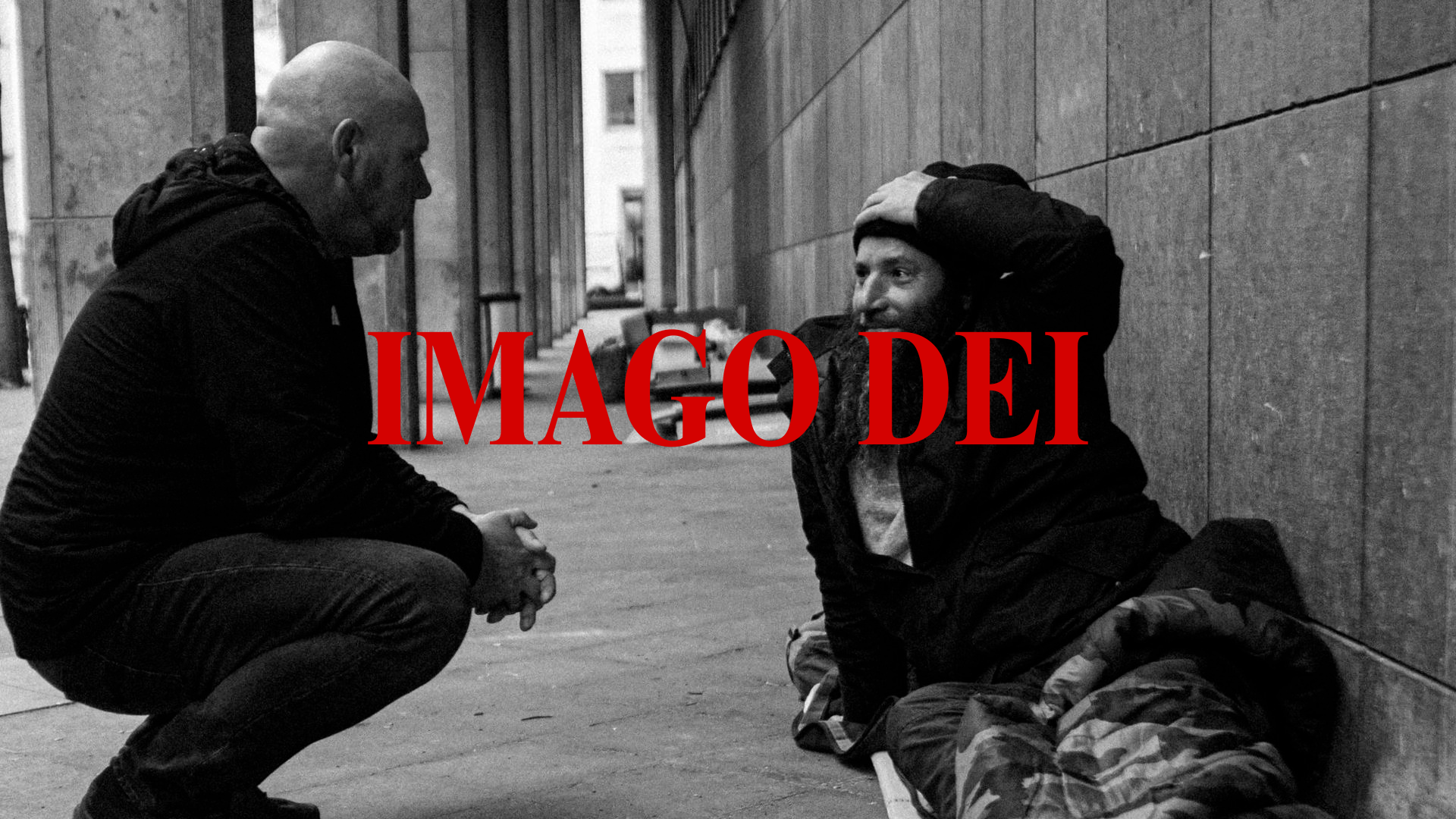
Granthem’s talk reflects on the idea of the Imago Dei by challenging the ways we create invisible hierarchies that determine whose lives, suffering, and dignity matter. Drawing on the Dunning-Kruger effect, historical examples like Germany’s “stumbling stones,” and the parable of the Good Samaritan, he argues that our greatest blindness is not ignorance but misplaced certainty that quietly shapes who we see as our “neighbor.” He suggests that faith is not about having the right theology or more information, but about formation—a willingness to cross boundaries, risk proximity, and respond to real human need. Ultimately, the call of the gospel is not to analyze or agree, but to act: to see the image of God in others and choose to “cross the road” in love, even when it disrupts our assumptions or comfort.
Speaker: Granthem Farr
This talk explores the Imago Dei as a profound mystery, emphasizing that every person reflects something of the divine, especially those who are different from us such as immigrants, refugees, and strangers. Ryan challenges the tendency to define God and the image of God too narrowly, arguing that fear, political rhetoric, and dehumanizing language distort this truth. Drawing from personal travel experiences and the teachings of Jesus in Matthew 25, he highlights that how we treat others—particularly the most vulnerable—reveals what we truly believe about God. The message calls for a shift from fear to curiosity, from exclusion to dignity, inviting us to see the stranger not as a threat but as an opportunity to encounter the divine.
Speaker: Ryan Day
Stacy’s talk, “Bodies That Matter,” reflects on how every person lives in a body that changes and faces challenges, yet every body is still created in the image of God. Drawing from her work with disability cases and her own experiences with body image and aging, she highlights how cultural expectations can create shame around our bodies. She ultimately reminds the community that our worth is not defined by appearance or ability but by God’s love, and she calls the church to practice deeper compassion, inclusion, and acceptance of all bodies—including our own.
Speaker: Stacy Wood Rustrum
Ryan’s talk focused on practicing digital wisdom by honoring the Imago Dei in an attention-driven digital world. He argued that technology is neither purely good nor bad but requires intentional engagement since digital platforms are designed to capture our attention. Drawing on Simone Weil’s idea of attention and the relational image of God, he encouraged people to slow down, recognize the humanity of others online, and engage digital spaces with empathy, awareness, and spiritual grounding.
Speaker: Ryan Ingersoll
Keisha launched the Imago Dei series by naming how easily dignity gets lost in a world driven by comparison and performance, urging the community to begin by reclaiming their own belovedness. Through personal stories and the prodigal son, she highlighted how comparison distorts identity and how our worth isn’t earned but given by God. Because every person carries the image of God, remembering our own dignity shapes how we honor others. She challenged everyone to notice where comparison steals joy, recall who reminds them they are beloved, and actively protect others’ dignity in everyday life.